Understanding HbA1c and Why It Matters
Namaste! As a clinical nutritionist, one of the most common concerns I hear from clients is about managing their HbA1c levels. If you've been diagnosed with diabetes or prediabetes, you've likely heard your doctor mention this important number. HbA1c reflects your average blood sugar levels over the past 2-3 months, and the good news is that thoughtful dietary choices can make a significant difference.
I recently worked with a client who managed to lose 8kg in 3 months while also bringing her HbA1c from 8.2% down to 6.8% through personalized nutrition guidance. Her success story reminds me daily why I'm so passionate about helping people understand the power of food as medicine.
Fiber-Rich Whole Grains and Millets
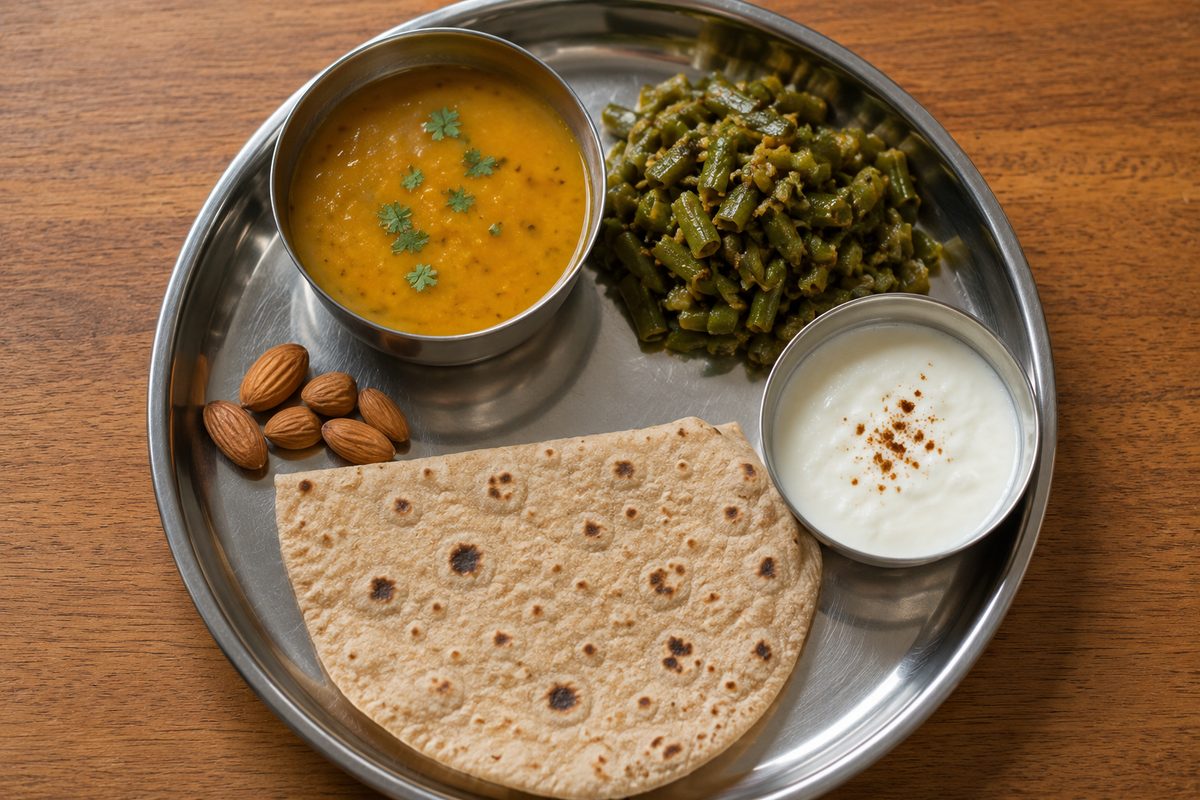
Traditional Indian millets like jowar, bajra, and ragi are excellent choices. These ancient grains have a lower glycemic index compared to refined grains and are packed with fiber that helps slow down sugar absorption. The fiber content also keeps you feeling full longer, which naturally helps with portion control.
Whole grains like brown rice, whole wheat, and oats also provide sustained energy without causing sharp blood sugar spikes. The key is portion awareness—something we work on extensively in personalized consultations.
Why a Generic Food List Does Not Work for You
Every body is different, your lab reports, lifestyle and daily routine decide which foods actually help you.
Get your own personalized food list from Dr. Vidushi Sharma with a FREE consultation.
The Magic of Non-Starchy Vegetables
Vegetables like palak, methi, bhindi, lauki, tinda, capsicum, tomatoes, and leafy greens are your best friends. They're low in calories, high in nutrients, and rich in fiber. The more colorful your plate, the better! These vegetables can be eaten in generous portions and provide essential vitamins and minerals that support overall metabolic health.
Smart Additions That Make a Difference
Healthy Fats in Moderation
Don't fear fats—choose them wisely. A small amount of nuts like almonds, walnuts, and seeds like flax seeds and chia seeds can actually support blood sugar control. They provide healthy fats that improve insulin sensitivity when consumed in appropriate portions.
Cinnamon and Fenugreek
These traditional Indian spices have been studied for their potential benefits in blood sugar management. Methi (fenugreek) seeds and dalchini (cinnamon) can be incorporated into your cooking. While they're not magic bullets, they can be helpful additions to an overall balanced approach.
The Timing Factor
It's not just what you eat, but when and how you eat it. Eating at regular intervals, not skipping meals, and combining foods thoughtfully all play a role in maintaining stable blood sugar levels. This is where personalized guidance becomes invaluable because your lifestyle, work schedule, and food preferences all matter.
What to Be Mindful About
While focusing on what to include, it's equally important to be aware of foods that can rapidly increase blood sugar. Refined flours (maida), sugary beverages, packaged snacks, and excessive portions of even healthy foods can impact your HbA1c levels. But remember, this isn't about deprivation—it's about making informed choices that work for your body and lifestyle.
The Personalization Promise
Here's something I want you to understand deeply: there is no one-size-fits-all approach to diabetes management through diet. Your age, activity level, medications, food preferences, cultural background, and even your stress levels all influence what will work best for you.
In my consultations, I spend time understanding your unique situation, your family's eating patterns, your work schedule, and your health goals. Only then can we create a sustainable nutrition strategy that doesn't feel like punishment but rather feels like self-care.
Your Next Step Toward Better Health
Managing diabetes through diet is absolutely possible, and you don't have to do it alone. If you're feeling overwhelmed by conflicting information or unsure where to start, I'm here to help.
I'm offering free initial consultations this week for diabetes management. We have limited slots available, so if you're ready to take control of your HbA1c levels with evidence-based, personalized nutrition guidance, I encourage you to reach out to Swastha360.com today.
Your health journey deserves expert support and compassionate guidance. Let's work together to create a sustainable path toward better blood sugar control and overall wellness.
Remember, every positive change you make today is an investment in your healthier tomorrow. You've got this!
Warm regards,
Dr. Vidushi Sharma
NCAHP Enrolled Clinical Nutritionist
Certified from Max Hospital Delhi