Gujarat Has India's Highest Diabetes Rate — Here's Why and How to Fix It
Gujarat is known for its business acumen, Garba festivals, and extraordinary vegetarian cuisine. It is also the state with the highest diabetes prevalence in India — affecting nearly 1 in 4 adults in urban Gujarat.
As a clinical nutritionist who has worked with numerous Ahmedabad and Surat clients, I have deep insight into exactly why this happens — and the specific dietary changes that work within Gujarati food culture.
Why Gujarati Diet Creates Diabetes Risk
Gujarati food is predominantly vegetarian and genuinely nutritious in its traditional form. The problem is in modern adaptations:
Sugar in everything:
Traditional Gujarati cooking adds a pinch of sugar to almost every dish — dal, kadhi, sabzi. Over a lifetime, this creates chronic low-level blood sugar elevation.
Refined flour (maida) addiction:
Gathiya, fafda, chakli, dhokla from maida — Gujarati snack culture is heavily maida-based. Maida has one of the highest glycemic indexes of any food.
Farsan culture:
Sev, chakli, papdi, khakhra — Gujarati farsan is consumed daily as snacks. Most are fried or high-salt, contributing to weight gain and blood pressure.
The ghee paradox:
Gujaratis use ghee generously — which is not bad in itself. The problem is ghee ON TOP OF already high-calorie farsan and rice dishes.
Missing protein:
Pure vegetarian diet without careful planning = protein deficiency. Low protein = muscle loss = lower metabolism = easier weight gain = harder to reverse diabetes.
Protein — The Biggest Gap in Gujarati Diet
This is my most important finding from working with Ahmedabad clients: severe protein deficiency.
A typical Gujarati day might include:
Total protein: 30-40g per day. Requirement: 60-80g for average adult.
Protein fixes for vegetarians in Ahmedabad:
Paneer: 18g protein per 100g — add to every meal possible
Rajma/Chhole: 15g per cup — replace some rice with these
Soya chunks: 52g protein per 100g — add to sabzi
Dahi: 10g per cup — have with every meal
Roasted chana: great farsan replacement with 19g protein per 100g
Diabetes Management in Gujarati Diet — Practical Changes
I never ask Ahmedabad clients to abandon their food culture. That is both impractical and unnecessary. Instead:
Sugar reduction strategy:
Reduce to half the sugar in cooking for 2 weeks
Then quarter for 2 more weeks
After 4 weeks, most clients report they prefer less sweet food
Farsan replacement:
Khakhra (baked, not fried) = much better option
Roasted chana = high protein, moderate calorie
Makhana = low calorie, good crunch satisfaction
Fasting protocol (important for Gujarati clients):
Many Gujaratis fast regularly for religious reasons. I incorporate fasting strategically — certain fasting patterns actually improve insulin sensitivity when done correctly.
PCOS in Ahmedabad Women
Young Ahmedabad women — especially in business families and IT sector — are increasingly dealing with PCOS. The high-carbohydrate, low-protein Gujarati diet is a direct contributor to insulin-driven PCOS.
The good news: Gujarati vegetarian diet, when properly structured with adequate protein, anti-inflammatory spices (turmeric, cumin), and fiber, is actually excellent for PCOS management.
Online Consultation for Ahmedabad Clients
Serving clients from Satellite, Bodakdev, Vastrapur, Navrangpura, Prahlad Nagar, SG Road, and across Ahmedabad online.
Dr. Vidushi Sharma, M.Sc. Food & Nutrition, Clinical Nutritionist certified from Max Hospital.
🌿
Ready to Start Your Journey?
Dr. Vidushi has helped 3,000+ patients with personalized Diabetes nutrition plans.
Get your plan starting at ₹1,199/mo.
Nutrition guidance is educational and does not replace medical advice. Please continue treatment prescribed by your doctor.
🌿
Free Weekly Nutrition Tips — Seedha Dr. Vidushi Se
PCOS, Thyroid, Diabetes ya Weight Loss — apni condition ke liye actionable Indian food tips har hafte.
✓ Spam nahi · ✓ Kabhi bhi unsubscribe karo · ✓ 100% free
NCAHP Enrolled Dietitian
|
Certified from Max Hospital
|
5.0/5 Google Rating · 3,000+ Patients
|
Razorpay Secured Payments
📅 Book Your Consultation
Fill in your details — takes less than 2 minutes
1
Choose Type
2
Your Details
3
Health Info
How would you like to start?
🎁
Free WhatsApp Chat
WhatsApp par short chat only. No call, no video. 100% free.
🛒
Consultation Call — ₹899
Optional 1:1 call with Dr. Vidushi — separate from the free chat above. Secure online payment: ₹899.
Managing more than one condition? Tick every plan you want (e.g. Weight Loss + Thyroid + Diabetic) — the price adds up automatically and the paid consultation is charged only once, no matter how many you pick.
1 Month
—
Save more
3 Months
—
Best value
6 Months
—
Consultation Call — ₹899 This is a separate, optional paid call — not required to chat with us for free. No diet plan is charged at this stage; after the call, if a plan is suitable, it will be assigned separately and a secure payment link will be sent.
Direct Buy Benefit Consultation Call: ₹89980% OFF → ₹180(this discount applies only to the optional consultation call, not the free chat)
Diet Plan—
Consultation Call₹899₹180
Direct Buy Consultation Saving—
Promo Discount—
Final Payable—
Enter your 10-digit Indian mobile number (WhatsApp).
Quick Health Snapshot Just your basic measurements for the consultation — no long questionnaire.
Your BMI
—calculated from height & weight
PDF/JPG/PNG up to 5 MB. You can also share it later on WhatsApp.
This helps your dietitian personalize your plan.
🎉
Booking Confirmed!
Dr. Vidushi will contact you on WhatsApp within a few hours.
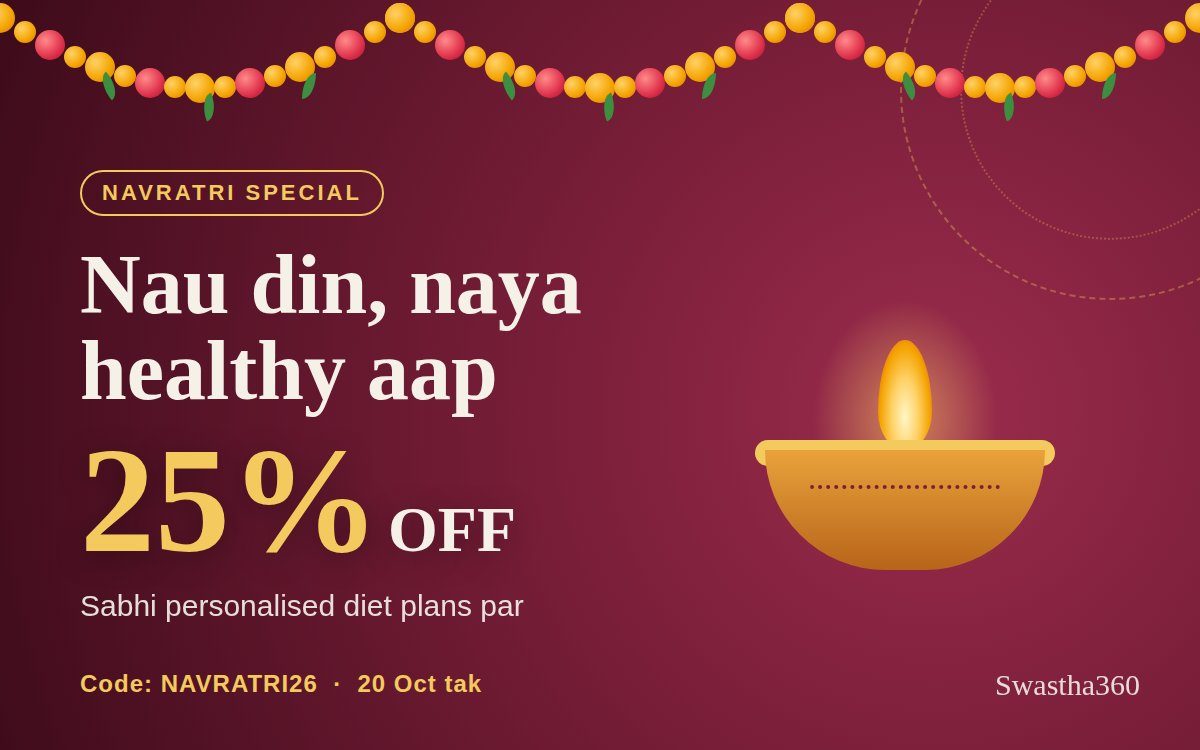
🪔 Navratri Special
Navratri par 25% OFF — sabhi diet plans
PCOS, Thyroid, Diabetes ya Weight Loss — Dr. Vidushi ka personalised Indian diet plan. Code NAVRATRI26, 20 Oct tak.