Namaste! I'm Dr. Vidushi Sharma, and today I want to share something that can truly transform how you manage diabetes using our everyday Indian foods. The secret? Understanding the Glycemic Index (GI) and making smarter choices from your kitchen.
What is Glycemic Index Aur Why Does It Matter?
The Glycemic Index measures how quickly a food raises your blood sugar levels. Low GI foods (55 or below) release glucose slowly into your bloodstream, preventing those dangerous sugar spikes that people with diabetes worry about. High GI foods (70 and above) cause rapid spikes, which we want to avoid.
The beautiful thing is that Indian cuisine is naturally rich in low GI options - we just need to know which ones to choose and how to prepare them correctly.
The Practical Tips That Actually Work
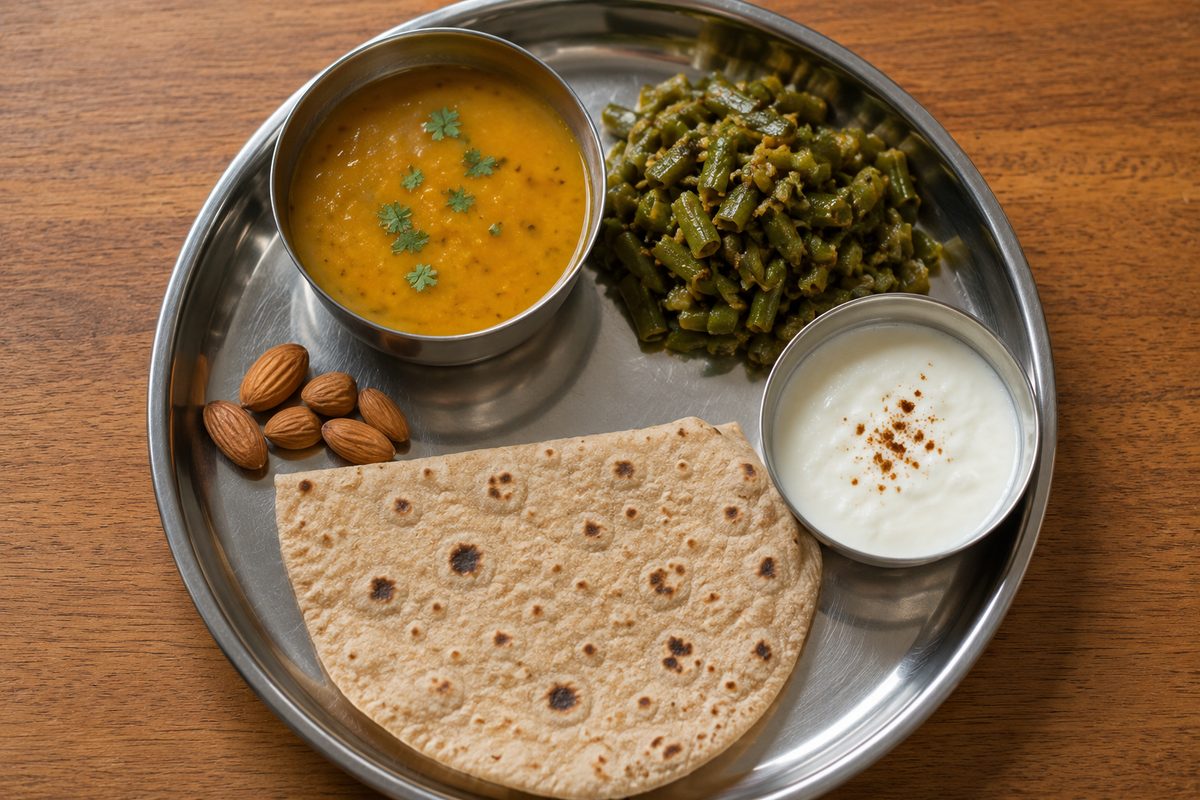
Tip #1: Food Combining is Your Secret Weapon - Never eat carbohydrates alone. Always pair your roti or rice with dal, vegetables, and some protein. This combination dramatically lowers the overall glycemic impact of your meal. Add a small bowl of dahi (curd) - the probiotics and protein further help stabilize blood sugar.
Tip #2: Cooking Methods Matter More Than You Think - How you cook affects GI! Overcooking raises the GI of foods. Keep vegetables slightly crunchy. When you cook rice, let it cool before eating - this creates resistant starch which has a lower GI. Adding a teaspoon of ghee or coconut oil to your dal or vegetables also helps slow glucose absorption.
Tip #3: Timing and Portion Control - Even low GI foods need portion awareness. A fist-sized portion of cooked grains, unlimited non-starchy vegetables, a palm-sized protein serving, and healthy fats in moderation - this balance matters enormously.
Real Results from Real People
I remember one of my clients who came to me quite worried about her HbA1c levels. After we worked together on incorporating more low GI Indian foods in the right combinations and portions, she not only brought her blood sugar under better control but also lost 8kg in 3 months. Her energy levels improved dramatically, and she felt empowered knowing exactly what worked for her body.
But here's what I always tell everyone - what worked for her might need adjustments for you. Every body is different, and diabetes management is very personal.
Important Things to Remember
Please consult your doctor before making any significant dietary changes, especially if you're on diabetes medication. Low GI foods can affect how much medication you need, and only your healthcare provider can guide you on adjustments.
Also, low GI doesn't mean unlimited quantities! Portion sizes still matter for overall health and weight management.
Your Journey to Better Blood Sugar Starts Here
Managing diabetes with Indian foods is absolutely possible and can be delicious too! You don't need exotic superfoods or expensive supplements. Your kitchen already has what you need - you just need the right guidance on how to use it.
The key is personalized planning. Your lifestyle, food preferences, medication, activity levels, and health goals all need to be considered for creating an approach that actually works for YOU.
I'm offering free consultations this week for diabetes management through nutrition. We have limited slots available, so if you're ready to take control of your blood sugar naturally with foods you love, let's talk.
Book your free consultation with me today at Swastha360.com. Together, we'll create a practical, sustainable approach that fits your life perfectly.
Stay healthy, stay happy!
Dr. Vidushi Sharma
NCAHP Enrolled Clinical Nutritionist
Certified from Max Hospital Delhi