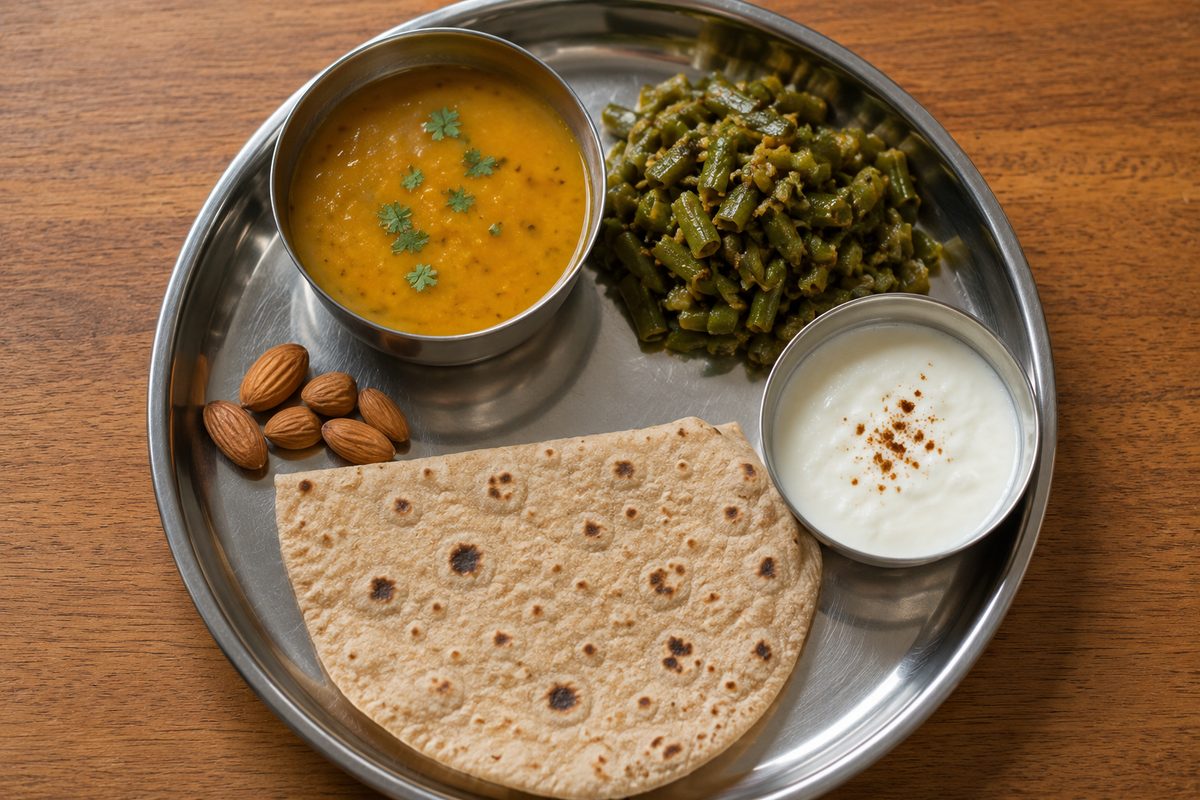
Diabetes Hai Toh Kitni Roti Khayein? The Question Everyone Asks
If you're managing diabetes, you've probably wondered: "Kitni chapati safe hai mere liye?" This is one of the most common questions I hear from my clients at Swastha360.com, and it's a very valid concern. Chapati or roti is a staple in most Indian households, and the thought of giving it up completely can feel overwhelming.
The truth is, you don't have to eliminate rotis entirely. What matters is how many you eat, what you pair them with, and the quality of your atta. As Dr. Vidushi Sharma, NCAHP Enrolled Clinical Nutritionist certified from Max Hospital Delhi, I've helped hundreds of people with diabetes enjoy their favourite foods while keeping their blood sugar stable.
Let me share some practical, evidence-based insights that can help you make informed decisions about chapati consumption with diabetes.
Understanding Chapati and Blood Sugar
Chapati is primarily made from wheat flour, which is a carbohydrate. When you eat carbohydrates, they break down into glucose and enter your bloodstream. For someone with diabetes, this process needs to be managed carefully to avoid blood sugar spikes.
A single medium-sized chapati (approximately 30 grams) contains around 15-18 grams of carbohydrates. The glycemic index of whole wheat chapati is moderate, typically ranging between 52-62, depending on the type of wheat and preparation method.
However, here's what many people don't realize: the number of rotis you can safely eat depends on multiple individual factors including your current blood sugar levels, medication, physical activity, body weight, and overall diet composition.
How Many Rotis Are Generally Safe?
While I cannot give you an exact number without understanding your unique health profile, here are some general guidelines:
- For Type 2 Diabetes with moderate control: 2-3 small to medium chapatis per day (split across meals) may be appropriate for many individuals
- For those with good control and active lifestyle: 3-4 chapatis might be manageable when balanced properly
- For those struggling with control: 1-2 chapatis with careful monitoring may be a starting point
Remember, these are not prescriptions but general observations. Your personalized requirement could be different, which is why individualized nutritional counseling is so important.
The Smart Way to Eat Chapati with Diabetes
It's not just about quantity—how you consume your rotis matters tremendously. Here are some expert tips:
1. Choose the Right Flour: Consider mixing wheat flour with other flours like ragi, jowar, bajra, or adding chickpea flour (besan). These combinations can help moderate the blood sugar response.
2. Never Eat Roti Alone: Always pair your chapati with protein (dal, paneer, curd, chicken) and fiber (vegetables, salad). This combination slows down glucose absorption significantly.
3. Portion Control Matters: Make smaller, thinner rotis instead of large, thick ones. This naturally helps with portion management.
4. Timing is Important: Distribute your chapati intake across meals rather than having multiple rotis at once. Having 2 rotis at lunch and 1 at dinner is typically better than having 3 at one meal.
5. Stay Active: A 15-20 minute walk after meals can help your body utilize glucose more effectively.
Real Results with Personalized Nutrition
I recently worked with a client who was eating 5-6 chapatis daily and struggling with fluctuating blood sugar levels. We didn't eliminate rotis completely—instead, we optimized the quantity, improved the quality of atta, and balanced his meals properly. In 3 months, he lost 8kg and his HbA1c improved from 8.2 to 6.9. He still enjoys his rotis, just in a smarter way.
This is the power of personalized nutrition counseling—you don't have to give up foods you love; you learn to include them wisely.
Why Personalization is Non-Negotiable
Your diabetes is unique to you. Your body's response to chapati might be completely different from someone else's, even if you both have Type 2 diabetes. Factors like your insulin sensitivity, gut health, stress levels, sleep quality, and even genetics play a role.
This is why generic advice like "eat only 2 rotis" or "avoid wheat completely" may not work for everyone. A qualified clinical nutritionist can assess your complete health picture and create a plan that fits your lifestyle, preferences, and medical goals.
Important reminder: Always consult your doctor before making significant dietary changes, especially if you're on diabetes medication, as adjustments may be needed.
Take Control of Your Diabetes Journey Today
If you're tired of confusing advice and want clear, personalized guidance on managing diabetes while enjoying Indian food, I'm here to help. At Swastha360.com, we offer the Diabetes Control & Weight Loss Package starting at just ₹999/month.
This comprehensive package is designed specifically for people managing diabetes who want practical, sustainable nutrition support. When you click the plan link on Swastha360.com, it opens directly so you can explore all the details and benefits.
We have limited consultation slots available this week, and I would love to work with you personally to create a plan where chapati—and other foods you love—can fit safely into your diabetes management routine.
Remember, managing diabetes doesn't mean living on restrictions. It means living with wisdom, balance, and the right support.
With care and expertise,
Dr. Vidushi Sharma
NCAHP Enrolled Clinical Nutritionist
Certified from Max Hospital Delhi