Namaste! I'm Dr. Vidushi Sharma, NCAHP Enrolled Clinical Nutritionist certified from Max Hospital Delhi. One question I hear almost daily from my diabetic clients is: "Doctor, kya main dahi kha sakta hoon? Aur kitna safe hai?"
The good news is that curd can actually be a wonderful addition to a diabetes-friendly diet when consumed correctly. Today, I'll share evidence-based insights on how to include this probiotic powerhouse in your routine without spiking your blood sugar.
Diabetes Aur Curd: Kya Connection Hai?
Curd is a fermented dairy product rich in probiotics, protein, calcium, and B vitamins. What makes it particularly interesting for people with diabetes is its low glycemic index (GI) — typically around 28-36, which is considered low.
The protein and fat content in curd helps slow down the absorption of carbohydrates, which means it doesn't cause rapid blood sugar spikes like refined carbs do. The probiotics in fresh dahi also support gut health, which emerging research suggests may play a role in better glucose metabolism.
However, the key is understanding the right quantity, timing, and type of curd to consume. Not all dahi is created equal when it comes to diabetes management!
Best Time to Eat Curd for Diabetics
Morning or Afternoon: I generally recommend consuming curd during breakfast or lunch rather than dinner. Why? Because your digestive fire (metabolism) is strongest during the day, and the protein in curd gets utilized more efficiently. Ek client ne share kiya that switching her curd consumption from dinner to lunch helped her maintain steadier evening blood sugar readings.
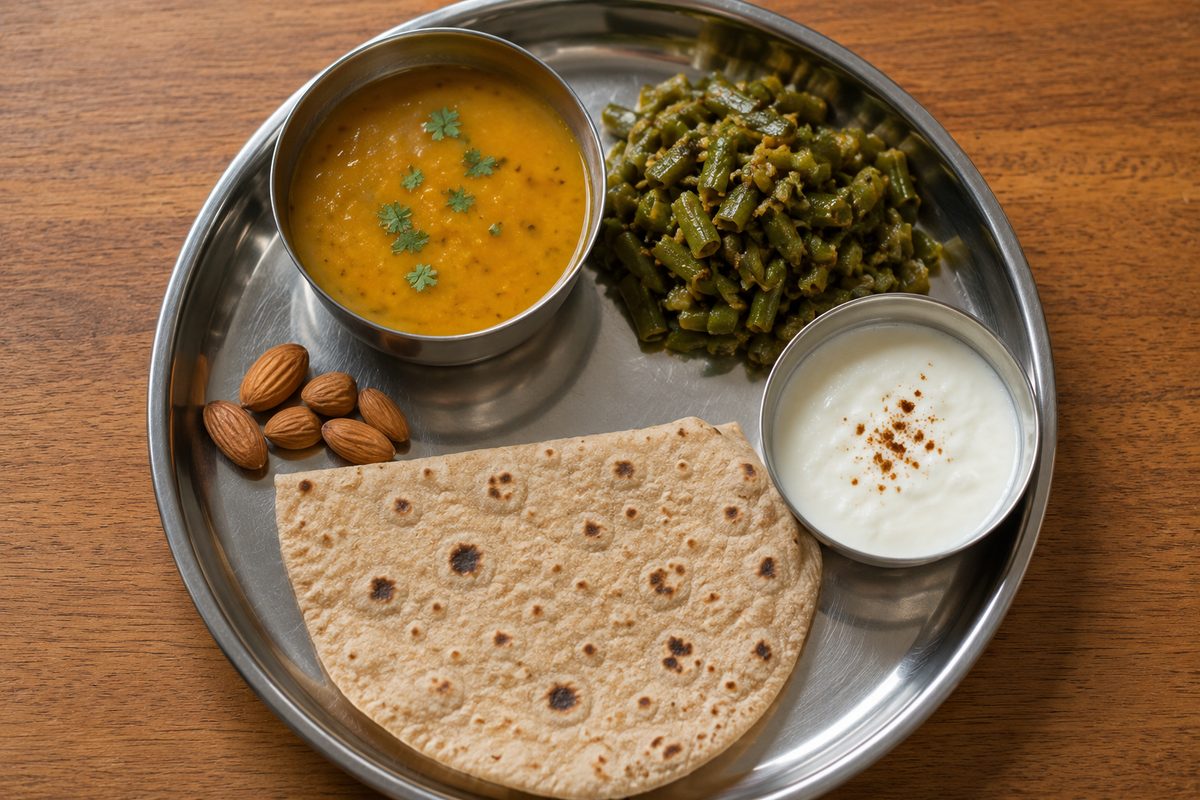
With Meals, Not Alone: Always pair curd with other foods — like with your dal-sabzi-roti or as raita with your meal. This combination further slows glucose absorption and provides sustained energy.
Avoid Late Night: According to both Ayurvedic principles and modern nutrition science, consuming curd late at night may not be ideal for most people, especially those managing diabetes and trying to maintain healthy weight.
How Much Curd Is Safe for Blood Sugar?
This is where personalization becomes crucial. The ideal portion depends on several factors:
- Your current blood sugar levels and HbA1c
- Overall calorie requirements
- Other protein sources in your diet
- Whether you're also managing weight
- Any existing digestive sensitivities
As a general guideline, most of my diabetic clients do well with 100-150 grams (about half to three-quarters of a standard katori) of fresh, plain curd per day. Some may tolerate more, others less — this is why personalized consultation is essential.
One of my clients, a 52-year-old gentleman with Type 2 diabetes, incorporated 100 grams of fresh curd daily with lunch as part of his balanced nutrition plan. Combined with portion control and the right food combinations, he lost 8kg in 3 months and his HbA1c dropped from 8.2 to 6.8!
Important Tips for Choosing the Right Curd
Always Choose Plain, Unsweetened Dahi: Flavored or sweetened varieties contain added sugars that can spike blood glucose. Fresh homemade curd is always the best option.
Check the Fat Content: Low-fat curd can be a good choice if you're also managing weight and cholesterol. However, full-fat curd in moderate portions may keep you satiated longer — again, individual needs vary.
Freshness Matters: Consume fresh curd that's not too sour. Overly fermented, very sour dahi may cause acidity and isn't ideal for everyone.
Temperature: Room temperature or slightly cool curd is better tolerated than refrigerator-cold dahi, especially for those with sensitive digestion.
Curd Combinations That Work Well for Diabetics
Here are some diabetes-friendly ways to enjoy your dahi:
- As plain raita with cucumber, tomato, and jeera (cumin)
- Mixed with roasted flax seeds or chia seeds for added fiber
- With a small portion of seasonal fruit like berries (in moderation)
- As a side with vegetable daliya or brown rice
- Blended into a buttermilk (chaas) with mint and black salt
Remember, these are just examples of how curd can fit into your meals — not a complete diet plan. Your individual requirements may be quite different.
When to Be Cautious
While curd is generally safe for most people with diabetes, please consult your doctor before making dietary changes if you:
- Have kidney complications related to diabetes
- Are on specific medications that interact with calcium
- Have lactose intolerance or dairy sensitivity
- Experience frequent acidity or digestive issues
Never make significant dietary changes without professional guidance, especially if you're on diabetes medication, as your dosage may need adjustment.
Ready for Personalized Diabetes Nutrition Support?
While curd can be a helpful addition to your diabetes diet, managing blood sugar effectively requires a comprehensive, personalized approach that considers your unique health profile, food preferences, lifestyle, and goals.
At Swastha360, our Diabetes Control & Weight Loss Package starting at just ₹999/month is designed specifically for people managing diabetes who also want to achieve healthy weight loss. When you click the plan link on Swastha360.com, it opens directly so you can explore all the details.
This personalized package includes one-on-one consultations, customized meal guidance based on your preferences, ongoing support, and practical strategies to manage blood sugar while enjoying the foods you love — including curd!
We have limited consultation slots available this week. If you're ready to take control of your diabetes and weight with expert support, I'd love to work with you.
Stay healthy, stay positive!
Dr. Vidushi Sharma
NCAHP Enrolled Clinical Nutritionist
Certified from Max Hospital Delhi