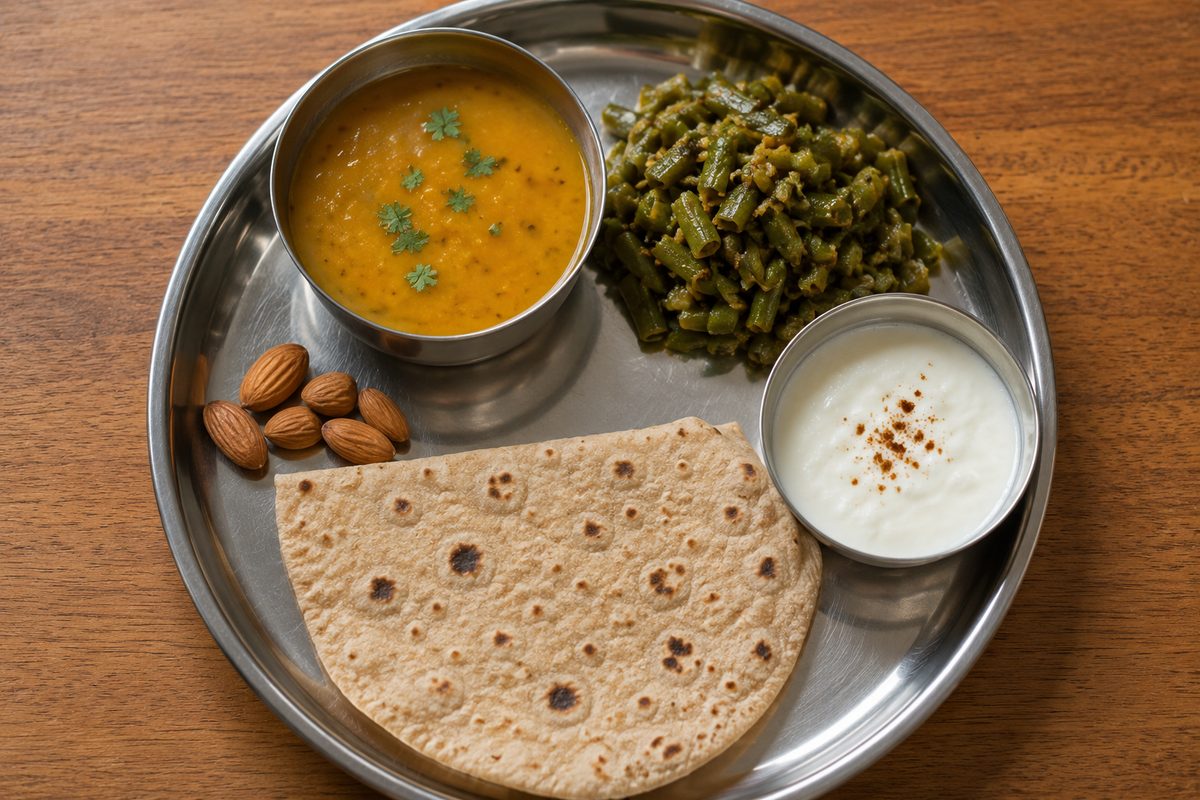
One of the most common questions I hear from my diabetes clients is: "Dr. Vidushi, kya main dahi kha sakta hoon?" The good news is that dahi (curd) can absolutely be part of a diabetes-friendly diet when consumed correctly. Let me share evidence-based guidelines on timing, portion control, and how to make dahi work for your blood sugar management.
Why Dahi Can Be Good for Diabetes Management
Dahi is a fermented dairy product rich in protein, calcium, and probiotics. Unlike many foods that spike blood sugar quickly, plain unsweetened curd has a low glycemic index (GI) of around 28-36. This means it causes a slower, more gradual rise in blood glucose levels.
The protein content in dahi helps slow down carbohydrate absorption, which is particularly beneficial for people with diabetes. Additionally, the probiotics support gut health, which emerging research suggests may play a role in better insulin sensitivity. However, please consult your doctor before making any significant dietary changes, especially if you're on diabetes medication.
Best Time to Eat Dahi for Diabetes
Timing matters when it comes to managing blood sugar levels. Here are my evidence-based recommendations:
- With lunch or early evening: Dahi is best consumed during daytime hours, particularly with lunch. The probiotics and protein work well when your digestive system is most active.
- As a mid-morning snack: A small bowl of plain dahi (100-150g) around 10-11 AM can keep you satiated and prevent blood sugar dips before lunch.
- Avoid late night: According to Ayurveda and modern nutrition science, consuming dahi very late at night may slow digestion and isn't ideal for most people with diabetes.
- Never on empty stomach: I always advise my clients to have something light before consuming dahi, especially if you have acidity issues.
How Much Dahi Is Safe Daily?
Portion control is crucial for diabetes management. Here's what I recommend to my clients:
Safe daily amount: 100-200 grams (approximately ½ to 1 cup) of plain, unsweetened dahi is generally safe for most people with diabetes. However, this varies based on your overall diet, activity level, and individual blood sugar response.
Choose the right type: Always opt for plain, unsweetened dahi made from low-fat or full-fat milk (avoid flavored or sweetened varieties). Some of my clients do better with full-fat dahi as the fat further slows sugar absorption, but this depends on your cholesterol levels and overall health goals.
Smart Ways to Include Dahi in Your Diet
Here are some diabetes-friendly ways to enjoy dahi:
- Mix it with cucumber, tomatoes, and roasted jeera for a refreshing raita
- Add a pinch of black salt and some mint leaves for flavor without sugar
- Use it as a base for smoothies with low-GI fruits like berries (limited quantity)
- Have it with a small portion of dal-chawal to balance the meal
- Use it in place of mayonnaise or cream-based dressings
What to Avoid
These common mistakes can turn healthy dahi into a blood sugar spike:
- Added sugar or jaggery: This defeats the purpose entirely
- Sweetened lassi: Commercial lassi often contains excessive sugar
- Fruit yogurt from stores: These contain added sugars and preservatives
- Excessive quantity: More than 200g daily may add unnecessary calories and affect your overall meal plan
Real Results with Personalized Nutrition
I recently worked with a client who was confused about including dairy in his diabetes diet. After we created a personalized plan that included the right amount of dahi at optimal times along with balanced meals, he lost 8kg in 3 months while his HbA1c came down from 8.2 to 6.9. The key wasn't just adding or removing dahi—it was understanding his complete nutritional needs, lifestyle, and preferences.
Why Personalized Guidance Matters
While these guidelines provide a helpful starting point, every person with diabetes is different. Your ideal dahi portion and timing depend on factors like your current blood sugar levels, medications, activity level, other health conditions, and overall diet pattern. What works perfectly for one person might need adjustment for another.
That's why I always recommend working with a qualified clinical nutritionist who can monitor your progress, adjust portions based on your blood sugar response, and create a complete nutrition strategy tailored to your lifestyle.
Take the Next Step Toward Better Diabetes Management
If you're looking for personalized guidance on managing diabetes through nutrition, I've created the Diabetes Control & Weight Loss Package at Swastha360.com, starting at just ₹1,199/month. This comprehensive program includes personalized meal planning, regular follow-ups, and ongoing support to help you manage blood sugar while enjoying foods you love—including dahi at the right time and in the right amount.
Clicking the plan link on Swastha360.com opens it directly where you can learn more and get started. We have limited slots available this week for one-on-one consultations.
Remember, managing diabetes doesn't mean giving up traditional foods like dahi—it means learning to include them smartly. With the right guidance, you can enjoy nutritious, satisfying meals while keeping your blood sugar in check.
Warm regards,
Dr. Vidushi Sharma
NCAHP Enrolled Clinical Nutritionist
Certified from Max Hospital Delhi