Namaste! I'm Dr. Vidushi Sharma, NCAHP Enrolled Clinical Nutritionist, certified from Max Hospital Delhi. Today I want to address a concern many of my clients face during monsoon season - managing diabetes while recovering from dengue. This dual challenge requires careful nutritional planning, and I'm here to guide you through it.
The Double Challenge: Understanding Diabetes and Dengue Together
When you're managing diabetes and suddenly dengue strikes, your body faces two battles simultaneously. Dengue causes severe weakness, drops platelet count, and demands extra nutrition for recovery. Meanwhile, diabetes requires you to keep blood sugar stable. This balancing act can feel overwhelming, but with the right approach, you can recover safely.
The key concern is that many traditional dengue recovery foods - like fruit juices, glucose water, and sweet papaya leaf juice - can spike blood sugar dangerously. But skipping nutrition isn't an option either, as your body desperately needs energy to fight the infection.
Critical Nutritional Principles During Recovery
Before I share specific insights, please remember: always consult your doctor before making any dietary changes, especially when managing both conditions. Your physician needs to monitor your blood sugar, platelet count, and overall recovery closely.
Principle 1: Hydration Without Sugar Overload
Dengue demands increased fluid intake, but sugary drinks are problematic for diabetes. Instead of packaged fruit juices or glucose water, focus on alternatives that keep you hydrated without the sugar spike. Coconut water (fresh, unsweetened) can work in small quantities - about 100ml at a time - as it provides electrolytes with a moderate glycemic response. Buttermilk, thin dal ka pani, and herbal teas are also excellent choices.
One of my clients recently recovered from this exact situation. She was worried about losing strength but also feared her blood sugar going out of control. Through personalized guidance focusing on protein-rich fluids and controlled portions, she managed to maintain stable HbA1c while recovering completely from dengue in 3 weeks.
Principle 2: Protein Becomes Your Best Friend
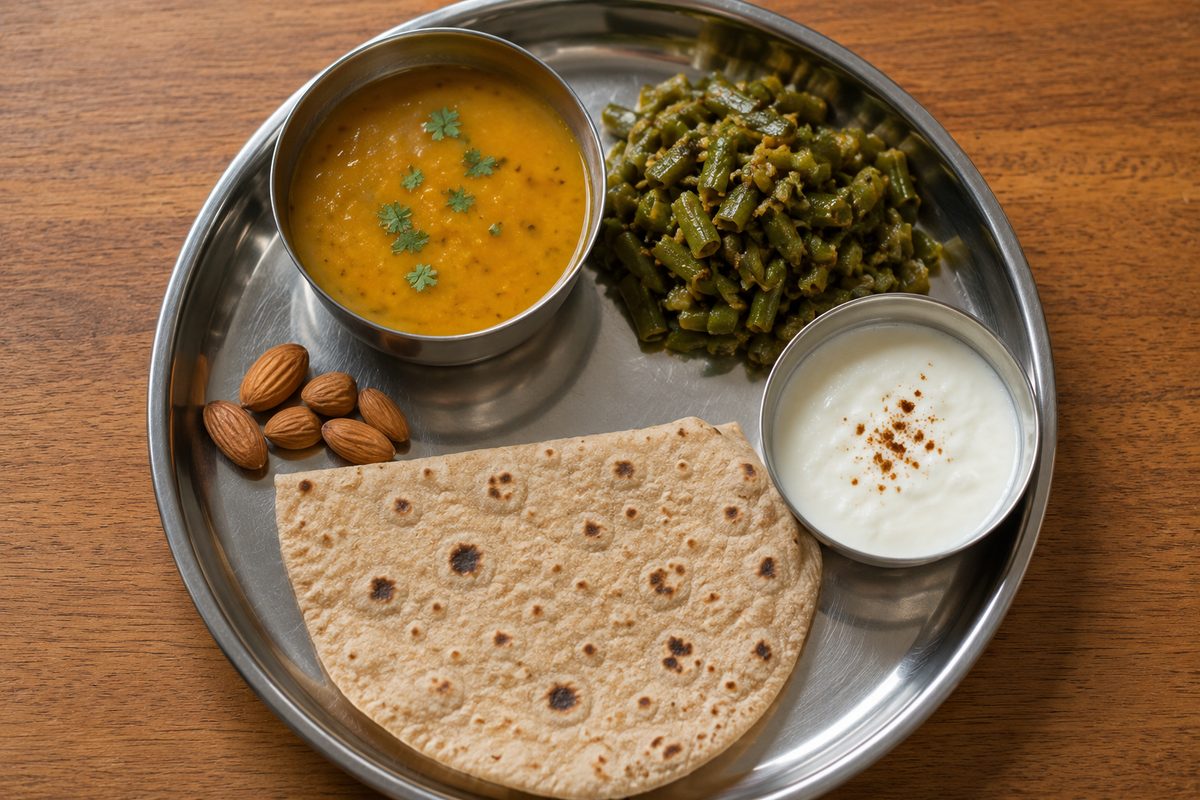
Protein doesn't spike blood sugar significantly and helps rebuild your strength during dengue recovery. Include options like moong dal khichdi, thin dal soup, scrambled eggs (if fever has subsided), or paneer in small portions. These provide sustained energy without the glucose rollercoaster.
The portion size matters tremendously. Even healthy proteins need to be balanced with your overall carbohydrate intake for the day. This is where personalized consultation becomes essential - what works for one person may not suit another based on their medication, severity of dengue, and baseline diabetes control.
Principle 3: Smart Carbohydrate Choices for Energy
You need energy to recover, but choose complex carbohydrates wisely. A small bowl of vegetable khichdi made with brown rice or broken wheat (dalia) provides gentle energy. Avoid white rice, refined flour, and anything with added sugar, even if well-meaning relatives suggest it for "strength."
Vegetables like bottle gourd (lauki), ridge gourd (tori), and spinach can be cooked soft and are gentle on your system while providing vital nutrients without much carbohydrate load.
Foods to Approach With Caution
Many dengue remedies need modification for diabetes patients:
- Papaya leaf juice: If recommended by your doctor, take it unsweetened and in the smallest effective dose
- Fruit juices: Replace with whole fruits in controlled portions, preferably low-GI options like guava or papaya (small piece)
- Dates and dried fruits: Often suggested for platelets, but can spike sugar significantly - avoid or take only as medically advised
- Glucose water: Discuss with your doctor about alternatives unless you're experiencing severe weakness or hypoglycemia
Real Recovery, Real Results
Recently, one of my clients successfully navigated this challenge. Through a carefully customized approach balancing her diabetes medications with dengue recovery needs, she recovered fully while losing 8kg over 3 months post-recovery. Her HbA1c actually improved because we used this period to reset her eating habits with better choices.
The secret wasn't any magic food - it was personalized planning that considered her medication timings, blood sugar patterns, dengue severity, and recovery progress. Every body is different, and cookie-cutter advice can be dangerous when dealing with two serious health conditions.
Apka Next Step: Expert Guidance Matters
If you or a loved one is managing diabetes and facing dengue recovery, please don't navigate this alone with generic internet advice. While general principles help, your specific situation needs expert attention.
At Swastha360.com, I offer personalized consultation that considers your complete health picture. While my PCOS Balance & Weight Management Package starting at ₹999/month is designed for hormonal balance, I also provide customized plans for complex conditions like diabetes management during illness recovery. Simply visit the plan link on Swastha360.com - it opens directly for easy enrollment.
Limited consultation slots are available this week. Let's work together to ensure your recovery is both safe and effective, without compromising your diabetes control.
Stay healthy, stay strong!
Dr. Vidushi Sharma
NCahP Enrolled Clinical Nutritionist
Certified from Max Hospital Delhi