Namaste! I'm Dr. Vidushi Sharma, Clinical Nutritionist at Max Hospital Delhi, and today I want to address one of the most common questions I hear from my diabetic clients: "Kya main cheeni ki jagah gur kha sakta hoon?"
The belief that jaggery (gur) is a 'safe' sweetener for diabetes is incredibly widespread in Indian households. Many families switch from white sugar to gur thinking it won't affect blood glucose levels. But is this really true? Let me share what science and my clinical experience tell us.
The Truth About Jaggery and Blood Sugar
Here's the honest answer: Jaggery is NOT a safe alternative to sugar for people with diabetes. I know this might disappoint many of you, but let me explain why.
Both white sugar and jaggery are primarily composed of sucrose. While jaggery does contain some minerals like iron, magnesium, and potassium due to minimal processing, its glycemic index ranges between 84-85, which is quite high. For comparison, white sugar has a glycemic index of around 65-70.
This means jaggery can actually spike your blood glucose levels faster than regular sugar! The small amount of minerals present doesn't compensate for this significant impact on blood glucose.
Why This Myth Is So Common
I completely understand why this confusion exists. Jaggery is a traditional sweetener, and our grandmothers have used it for generations. It's natural, unrefined, and does have some nutritional benefits for non-diabetic individuals. However, when you have diabetes, the primary concern is how quickly a food raises your blood glucose levels.
In my practice, I've seen clients who were consuming 2-3 teaspoons of gur daily, thinking it was harmless, only to find their HbA1c levels remained stubbornly high. One client came to me after struggling with uncontrolled diabetes for months, and when we reviewed her diet, we discovered she was adding gur to her morning tea and having gur-based chikki as an evening snack.
Kya Bilkul Bhi Nahi Kha Sakte?
Here's where I want to be very clear and compassionate: I'm not saying you can never enjoy a small piece of gur. What I'm saying is that it should be treated exactly like sugar—as an occasional indulgence, not a daily 'healthier' alternative.
If you do consume jaggery:
- Keep portions extremely small (less than 5-10 grams)
- Have it as part of a balanced meal, not alone
- Monitor your blood glucose levels before and 2 hours after
- Consult your doctor about whether it fits into your diabetes management plan
What Actually Works for Sweet Cravings
I know managing diabetes doesn't mean giving up everything sweet forever. The key is finding strategies that work with your body, not against it. Some helpful approaches include:
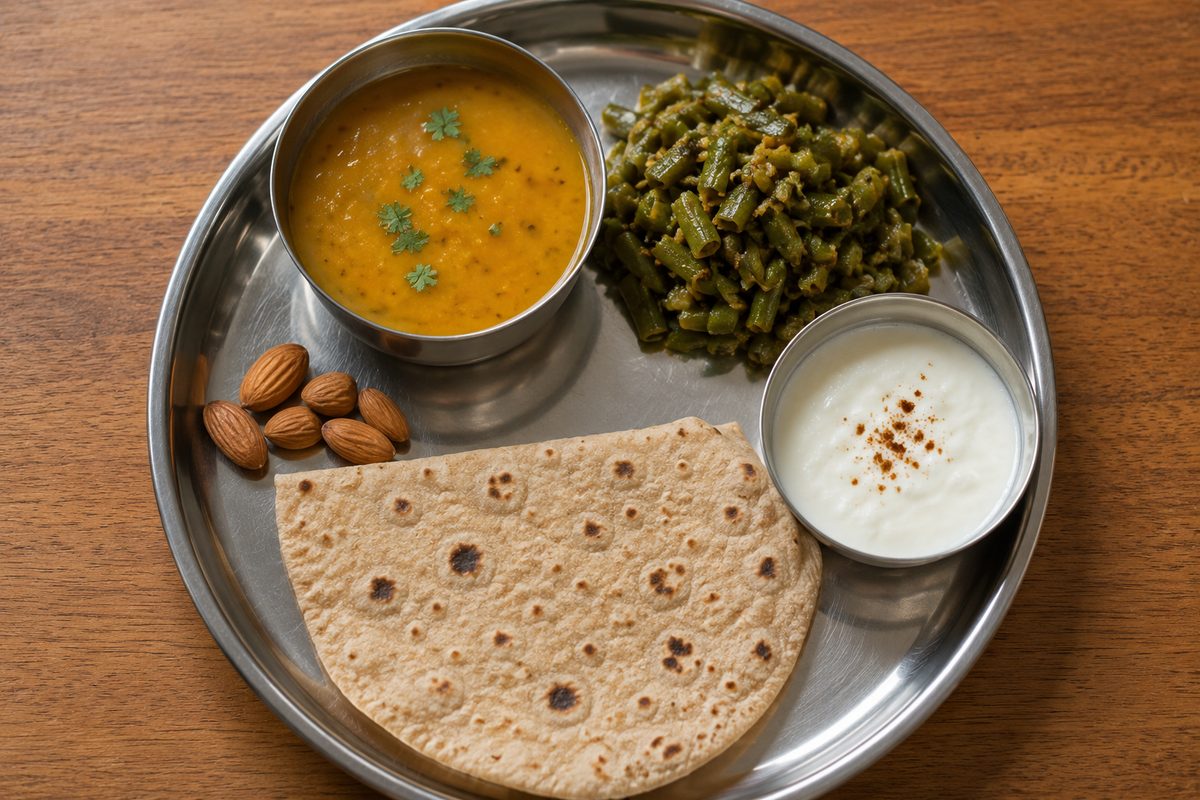
Timing matters: If you're going to have something sweet, having it after a fiber-rich meal (like dal with vegetables and roti) can help slow down glucose absorption.
Natural sweetness: Fresh fruits in controlled portions can satisfy sweet cravings while providing fiber and nutrients. But again, portion control is essential.
Artificial sweeteners: When used appropriately and under guidance, certain sweeteners approved by health authorities can help, though I always recommend discussing these with your healthcare provider.
Real Results with the Right Approach
Let me share a success story. One of my clients, a 52-year-old teacher from Delhi, came to me with an HbA1c of 8.2. She was convinced that using gur instead of sugar was helping her diabetes. When we worked together on a personalized plan that addressed her actual nutritional needs, portion sizes, meal timing, and strategic food combinations, she lost 8kg in 3 months and brought her HbA1c down to 6.8. The key wasn't switching sweeteners—it was understanding how her entire diet affected her blood glucose.
Your Personalized Path Forward
Every person with diabetes is unique. Your blood glucose response, medication regimen, activity level, food preferences, and lifestyle all play a role in what works best for you. This is why I strongly believe in personalized nutrition guidance rather than following generic advice.
What works beautifully for one person might not suit another. Some people can tolerate small amounts of certain foods while others cannot. The only way to know what's right for you is through proper assessment, monitoring, and professional guidance.
Let's Work Together on Your Diabetes Journey
If you're confused about what to eat, struggling to control your blood sugar, or want to lose weight while managing diabetes, I'm here to help. At Swastha360, we offer the Diabetes Control & Weight Loss Package starting at just ₹1,199/month.
This isn't about restriction or deprivation—it's about finding a sustainable, enjoyable way of eating that helps you manage your diabetes effectively. When you click on the plan link on Swastha360.com, it will open directly, and you can see everything that's included.
Remember, managing diabetes is a journey, not a destination. With the right guidance, realistic goals, and consistent effort, you can absolutely lead a healthy, fulfilling life. I've seen it happen hundreds of times, and I'd love to be part of your success story too.
We have limited consultation slots available this week, so if you're ready to take control of your diabetes with evidence-based, personalized nutrition guidance, I encourage you to reach out today.
Stay healthy and positive!
Dr. Vidushi Sharma
Clinical Nutritionist, NCAHP Enrolled
Certified from Max Hospital Delhi