Namaste! Dr. Vidushi Sharma here, and today I want to talk about something that doesn't get enough attention - the powerful role nutrition plays in diabetic foot care and healing.
If you or a loved one is dealing with diabetic foot complications, you already know how challenging the healing process can be. But here's the encouraging news: the right nutrients can significantly support your body's natural healing mechanisms and improve foot health from within.
Why Diabetic Foot Care Needs Special Nutritional Attention
When blood sugar levels remain elevated over time, they can affect circulation and nerve function in the feet. This makes healing slower and increases the risk of complications. But proper nutrition acts like internal medicine - it helps improve blood flow, strengthens immunity, and gives your body the building blocks it needs for tissue repair.
I remember one client who came to me with persistent foot ulcers that weren't healing despite medical treatment. After we worked on optimizing her nutrient intake along with her existing treatment, she noticed visible improvement within weeks. Over 3 months, not only did her wound healing improve dramatically, but she also lost 8kg, which further reduced pressure on her feet.
Essential Nutrients That Support Diabetic Foot Healing
Protein - The Healing Foundation
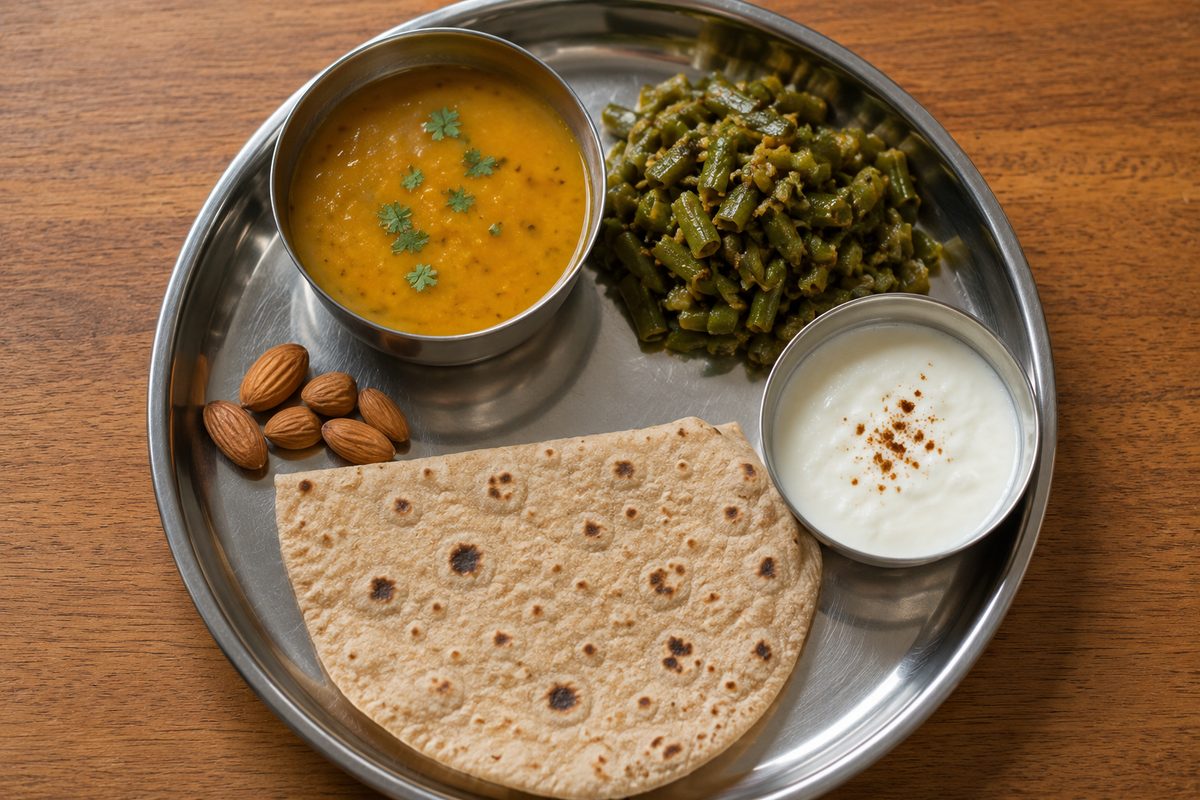
Protein is absolutely crucial for wound healing and tissue repair. Your body needs adequate protein to build new cells and fight infection. Good sources include moong dal, chana, paneer, eggs, chicken, and fish. The key is spreading protein intake throughout the day rather than having it all at once.
Vitamin C - The Collagen Builder
This powerful nutrient helps form collagen, which is essential for skin and tissue repair. Amla, guava, oranges, tomatoes, and bell peppers are excellent sources. Including vitamin C-rich foods with your meals can also help with iron absorption, which brings us to our next important nutrient.
Iron and Zinc - The Immunity Boosters
Both these minerals play vital roles in wound healing and immune function. Iron helps carry oxygen to healing tissues, while zinc supports cell growth and repair. Palak, methi, bajra, whole masoor dal, pumpkin seeds, and lean meats are good options. However, please consult your doctor before taking any supplements, as too much iron or zinc can cause problems.
Omega-3 Fatty Acids - The Inflammation Fighters
These healthy fats help reduce inflammation and improve blood circulation - both critical for diabetic foot health. Walnuts, flaxseeds, chia seeds, and fatty fish are natural sources. Even a small handful of walnuts or a spoonful of freshly ground flaxseeds can make a difference.
Vitamin D - The Often Forgotten Hero
Many of my clients with diabetes are deficient in vitamin D, which affects both bone health and wound healing. Morning sunlight exposure and foods like eggs and fortified options help, but testing your levels and consulting your doctor about supplementation is important.
Blood Sugar Control Hai Toh Healing Better Hogi
Here's something crucial: all these healing nutrients work best when your blood sugar is well-managed. High blood sugar essentially blocks the healing process, no matter how many nutrients you consume. This is why a personalized approach is so important - your diet needs to support both blood sugar control AND provide healing nutrients.
Some practical insights from my clinical experience: Include protein with every meal to stabilize blood sugar. Choose whole grains over refined ones. Don't skip vegetables - they provide fiber, vitamins, and minerals without spiking sugar levels. Stay well-hydrated, as dehydration affects circulation.
What About Supplements?
While I've mentioned various nutrients, please understand that food should always be your first choice. Supplements might be necessary in some cases, but only your doctor can determine this based on your blood tests and health status. Self-prescribing supplements can sometimes do more harm than good.
The Personalized Approach Makes All the Difference
Every person with diabetes is different. Your medication, activity level, other health conditions, current nutrient status, and even your food preferences all matter when creating a nutrition strategy that supports diabetic foot healing.
This is why cookie-cutter diet plans rarely work long-term. What worked wonderfully for my client might need significant modifications for you. A thorough assessment helps identify your specific nutritional gaps and create a realistic, sustainable plan.
If you're dealing with diabetic foot concerns or want to prevent complications through better nutrition, I'm here to help. A personalized consultation can help you understand exactly which nutrients your body needs most and how to include them in a way that fits your lifestyle and preferences.
I have limited slots available for free consultations this week. Let's work together to support your healing journey through the power of nutrition. Because healthy feet start from within, and the right nutrition can make all the difference.
Stay healthy, stay positive!
Dr. Vidushi Sharma
NCAHP Enrolled Clinical Nutritionist
Certified from Max Hospital Delhi